What You Should Know Before Installing a Solar System
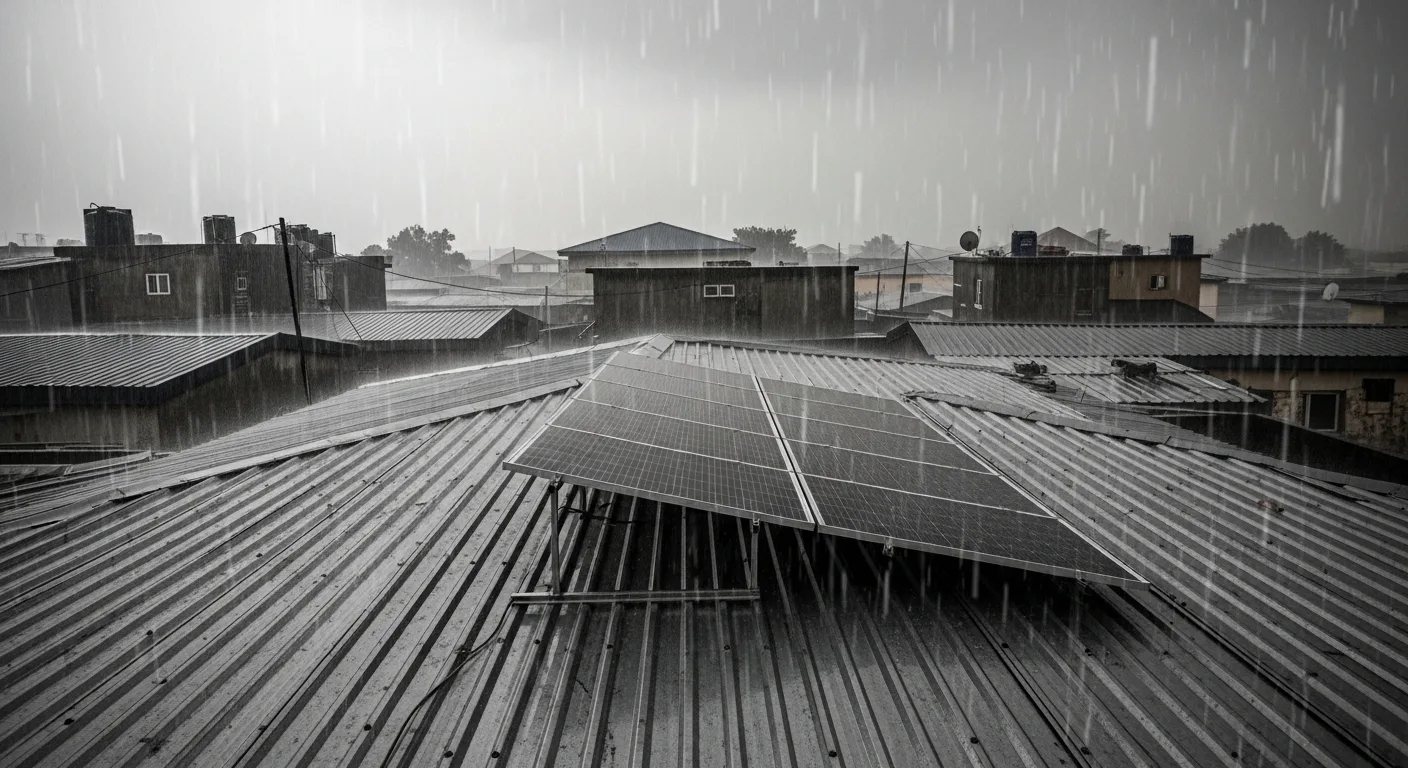
Many people in Nigeria often worry that solar panels stop working during the rainy season or when there is little sunlight. This is one of the most common concerns when considering solar energy.
But here’s the truth: solar panels still work even when there is no direct sunlight.
The real question is not whether they work, but how much energy they produce during cloudy or rainy periods.
Do Solar Panels Work Without Direct Sunlight?
Yes — solar panels generate electricity from daylight, not just direct sunshine.
Even on cloudy or rainy days, sunlight still passes through the clouds, allowing panels to produce power. However, the output is usually reduced compared to bright sunny days.
This is why system design matters a lot.
Why Your Battery Is More Important During Rainy Season
During low sunlight periods, your battery becomes your main power source.
This is where choosing the right battery matters. Systems using Fullriver Batteries or modern lithium batteries store excess energy during sunny hours and supply it when solar generation is low.
If your battery capacity is too small, you may experience power shortages during long rainy days.
You can read more in our post: Why Your Solar System Is Not Lasting: Battery Mistakes to Avoid
The Role of Inverters in Rainy Season Performance
Your inverter also plays a big role in efficiency.
High-quality systems like Solis Inverters help manage energy flow between solar panels, batteries, and the grid efficiently.
A good inverter ensures:
Stable power output
Efficient battery charging
Smooth switching during low sunlight
Learn more in: Why Solis Inverters Are Among the Best Solar Inverters in Nigeria
How to Optimize Your Solar System for Rainy Season
To get the best performance even during cloudy months:
Install enough solar panel capacity
Use properly sized battery storage
Avoid undersizing your system
Ensure professional installation
Regular maintenance of panels
You can also check: Solar Inverter Installation Cost in Nigeria (2026 Guide) for proper system planning.
Final Thoughts
Solar panels do not stop working during rainy season — they simply produce less energy.
The key to uninterrupted power is a well-designed system combining solar panels, a strong battery, and a reliable inverter.
When properly installed, your solar system will keep powering your home or business — rain or shine.