Choosing the wrong inverter could cost you more than just money — it could cost you reliable power.
As more homes and businesses across Nigeria turn to solar energy, one question keeps coming up: should you go for a hybrid inverter or an off-grid inverter?
The answer isn’t one-size-fits-all. It depends on your power needs, budget, and how independent you want to be from the national grid.
Let’s break it down.
What Is a Hybrid Inverter?
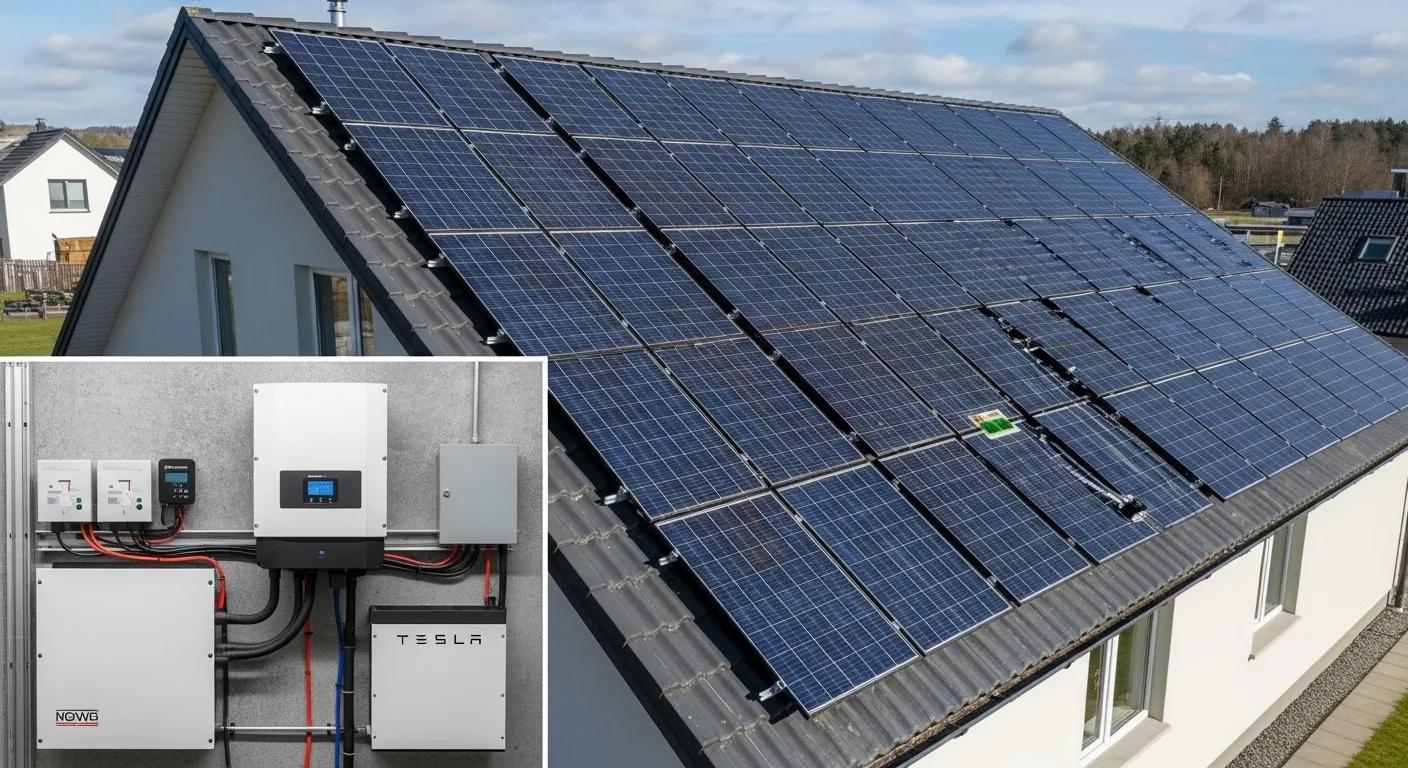
A hybrid inverter is designed to work with:
Solar panels
Battery storage
The national grid (and sometimes a generator)
This means your system can switch intelligently between power sources, giving you flexibility and consistent electricity.
Hybrid systems are ideal for:
Homes in areas with occasional grid supply
Businesses that need stable, uninterrupted power
Users who want to reduce generator usage over time
If you’re planning a system like this, understanding installation costs is key. You can read our guide on Solar Inverter Installation Cost in Nigeria (2026 Guide) to see what to expect.
What Is an Off-Grid Inverter?
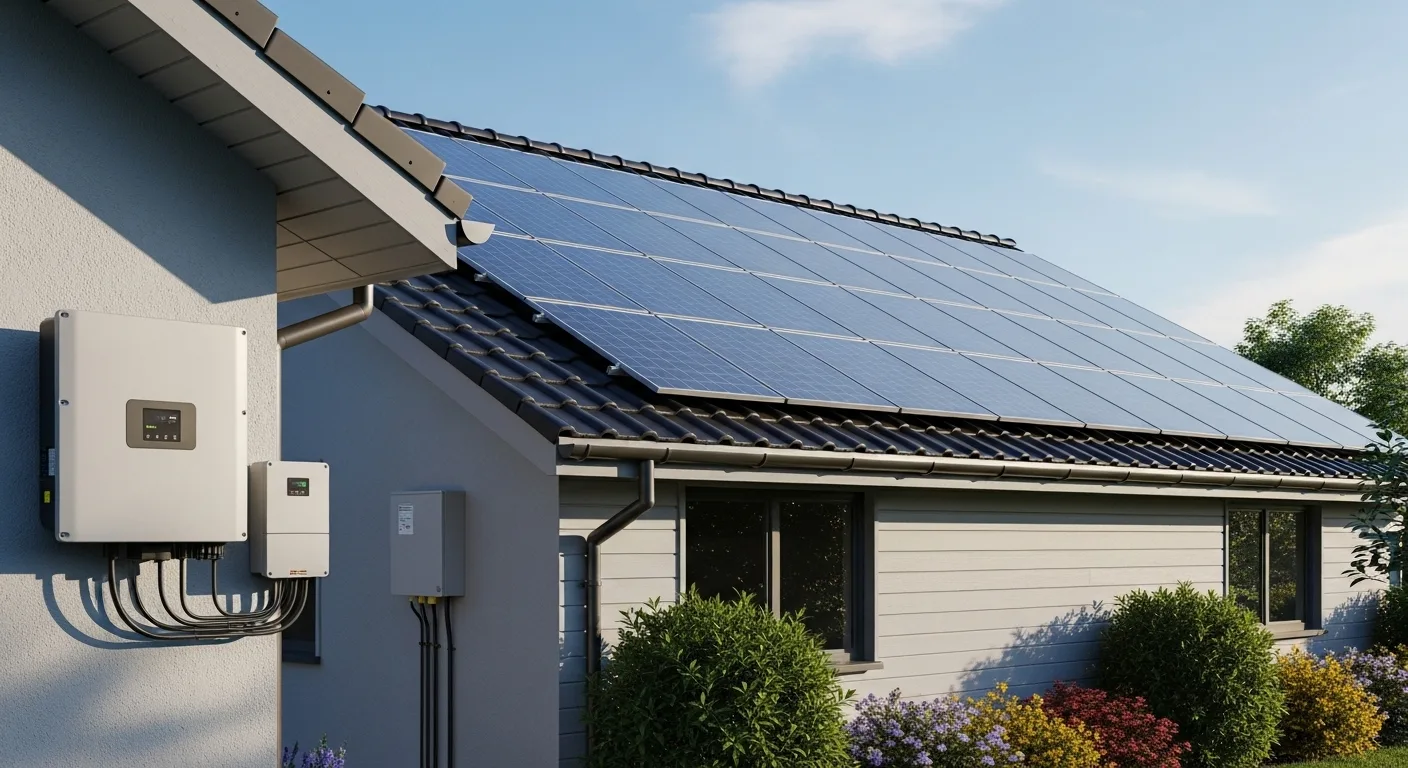
An off-grid inverter operates completely independent of the national grid.
It works with:
Solar panels
Batteries only
This means your entire power supply depends on your solar system and battery storage.
Off-grid systems are best for:
Areas with little or no grid access
Rural locations
Users seeking total energy independence
However, this setup requires accurate system sizing and strong battery capacity. Choosing the right battery becomes critical, which is why many users explore options in our guide on What Type of Battery Is Best for Solar Systems in Nigeria.
Key Differences Between Hybrid and Off-Grid Inverters
Power Source
Hybrid: Solar + Battery + Grid
Off-grid: Solar + Battery only
Flexibility
Hybrid: More flexible
Off-grid: Fully independent
Cost
Hybrid: Higher initial setup but more versatile
Off-grid: Can be cheaper but requires strong battery backup
Reliability
Hybrid: Backup from multiple sources
Off-grid: Depends entirely on your system design
Where Do Solis Inverters Fit In?
When it comes to choosing reliable inverter technology, Solis Inverters stand out as a trusted option for both hybrid and advanced solar applications.
Known for their:
High efficiency
Smart monitoring features
Compatibility with modern battery systems
Solis inverters are widely used by installers who prioritize performance and durability. You can also learn more in our article on Why Solis Inverters Are Among the Best Solar Inverters in Nigeria.
So, Which Should You Choose?
Choose hybrid if you want flexibility and backup from multiple power sources
Choose off-grid if you want full independence from the grid
Ultimately, the right choice depends on your energy needs, location, and budget.
Final Thoughts
Whether you choose a hybrid or off-grid system, one thing is certain: proper system design and quality components matter.
Avoid common installation mistakes by reading our guide on 5 Common Solar Installation Mistakes Nigerians Make, so you can get the best performance from your solar investment.