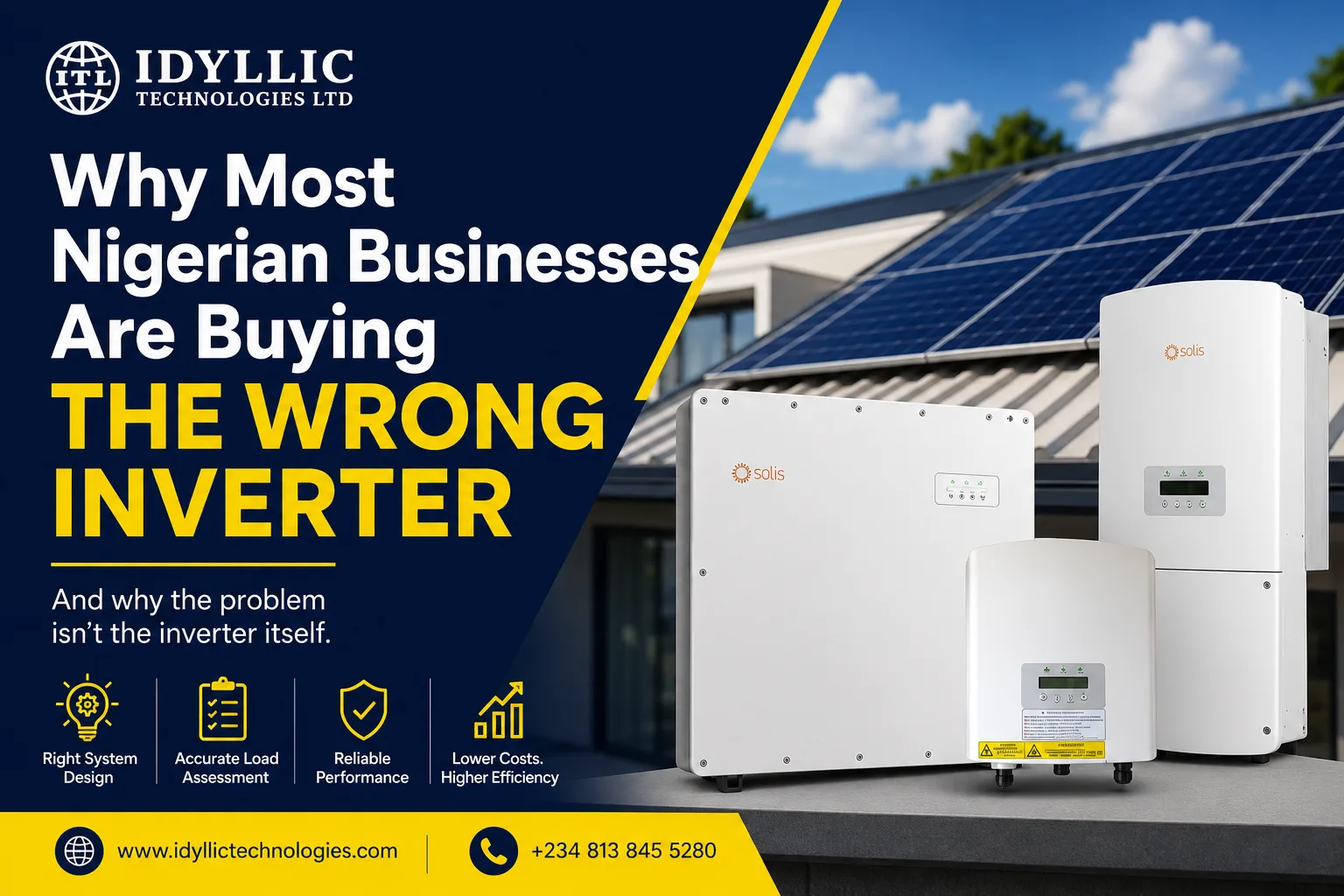
In Nigeria, unreliable power supply has made backup systems like inverters and UPS essential for homes and businesses. But many people still struggle to understand which one is right for them.
Should you go for an inverter? Or is a UPS the better option?
In this guide, we break down the key differences, use cases, and best choice for your needs.
What Is an Inverter?
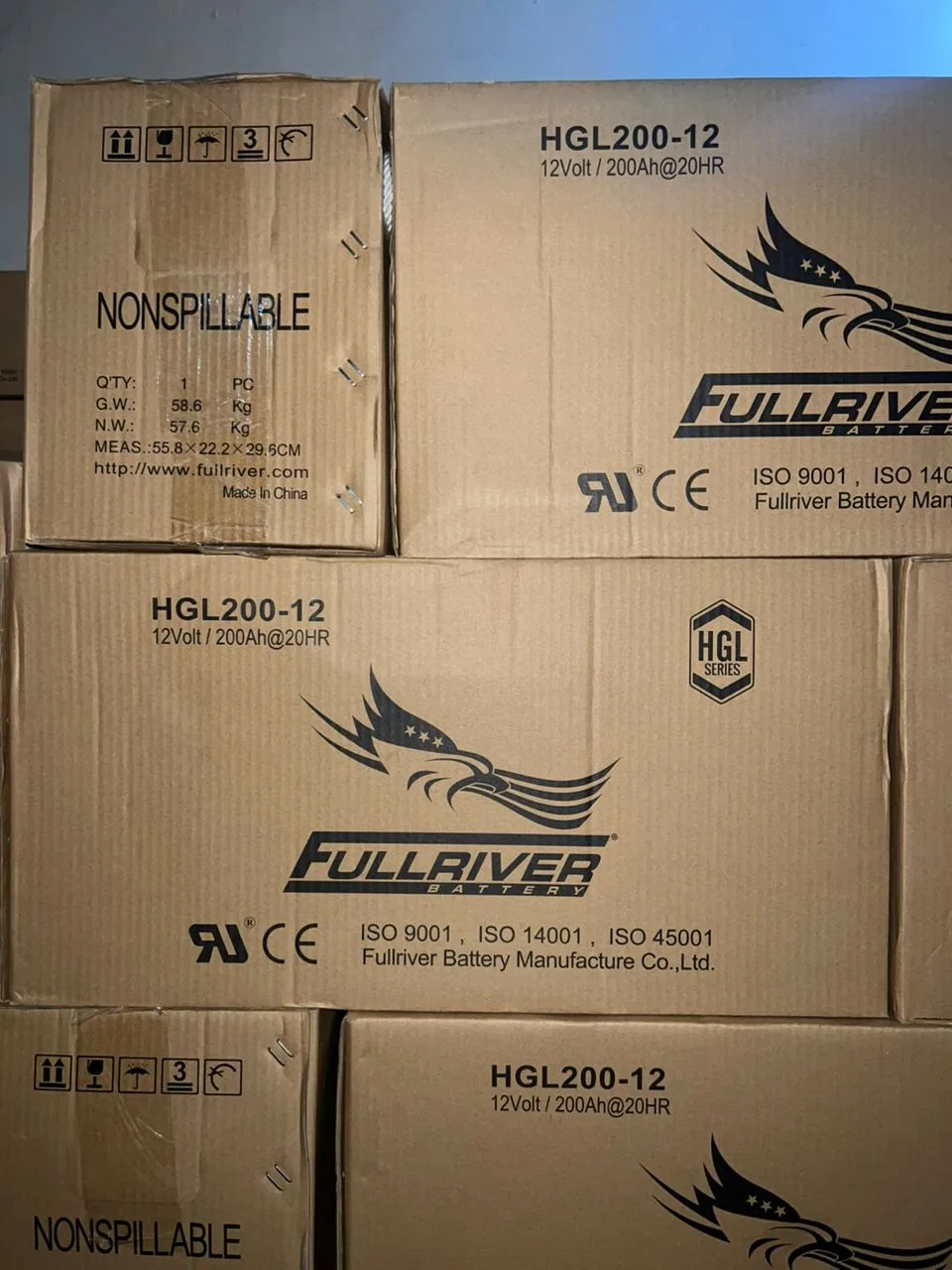
An inverter is a power backup system that converts stored battery energy into electricity to run appliances during outages.
It is commonly used to power:
TVs
Fans
Lights
Refrigerators
Office equipment
What Is a UPS?
A UPS (Uninterruptible Power Supply) provides instant power backup the moment electricity goes off.
It is mainly used for:
Computers
Servers
Routers
Office systems
Inverter vs UPS: Key Differences
FeatureInverterUPSSwitching TimeSlight delayInstantPower CapacityHighLowerBackup DurationLongShortBest ForHomes & appliancesSensitive electronics
When Should You Choose an Inverter?
Choose an inverter if:
You want to power multiple appliances
You need long backup duration
You are considering solar integration
When Should You Choose a UPS?
Choose a UPS if:
You need zero interruption
You want to protect critical devices
You run a business with sensitive systems
Best Solution for Homes and Businesses
For many Nigerian homes and businesses, the best setup is:
A combination of both inverter and UPS
UPS handles sensitive devices
Inverter powers appliances
This ensures:
No downtime
Better efficiency
Complete power coverage
Maintenance Tips for Better Performance
To get the best from your system:
Avoid overloading
Check batteries regularly
Use professional installation
Final Thoughts
Both inverters and UPS systems play important roles in power backup—but choosing the right one depends on your specific needs.
If you want:
Longer backup → Go for an inverter
Instant protection → Go for a UPS
Best of both → Use both together