The Uncomfortable Truth About Business Operations In Nigeria
When Nigerian business owners discuss their biggest challenges, electricity is usually near the top of the list.
From manufacturing plants and hospitals to hotels, schools, banks, and SMEs, everyone has a story about how unreliable power has affected operations.
The common narrative is simple:
“The power problem is holding us back.”
But what if that isn’t entirely true?
What if the real challenge isn’t the power supply itself?
What if the bigger issue is how businesses plan for power?
Many organizations are still treating electricity as an unavoidable inconvenience rather than a critical business resource. As a result, they find themselves constantly reacting to outages instead of building systems that keep operations running regardless of what happens to the grid.
The reality is that while businesses cannot control Nigeria’s power infrastructure, they can control how prepared they are for its shortcomings.
And that’s where many organizations are falling behind.
The Cost Of Waiting Until Something Goes Wrong
A surprising number of businesses only invest in power solutions after experiencing a major disruption.
A server crashes.
A production line stops.
A POS system goes offline.
A customer walks away.
A piece of equipment gets damaged.
Then comes the urgent search for a solution.
Unfortunately, reactive decisions are often the most expensive ones.
When power planning is treated as an emergency response rather than a strategic priority, businesses end up spending more money fixing problems than preventing them.
The organizations that operate most efficiently today don’t wait for failure. They anticipate it and build systems that minimize its impact.
Generators Are Not A Power Strategy
For years, generators have been viewed as the ultimate answer to power challenges.
Yet many businesses have become so dependent on generators that they mistake ownership for preparedness.
A generator can provide backup electricity.
It cannot guarantee business continuity.
Generators come with fuel costs, maintenance requirements, downtime risks, noise pollution, and operational inefficiencies.
If your entire power plan depends on starting a generator whenever the lights go out, you don’t have a strategy.
You have a temporary response.
A true power strategy combines multiple layers of protection, including:
Reliable UPS systems
Voltage regulation
Surge protection
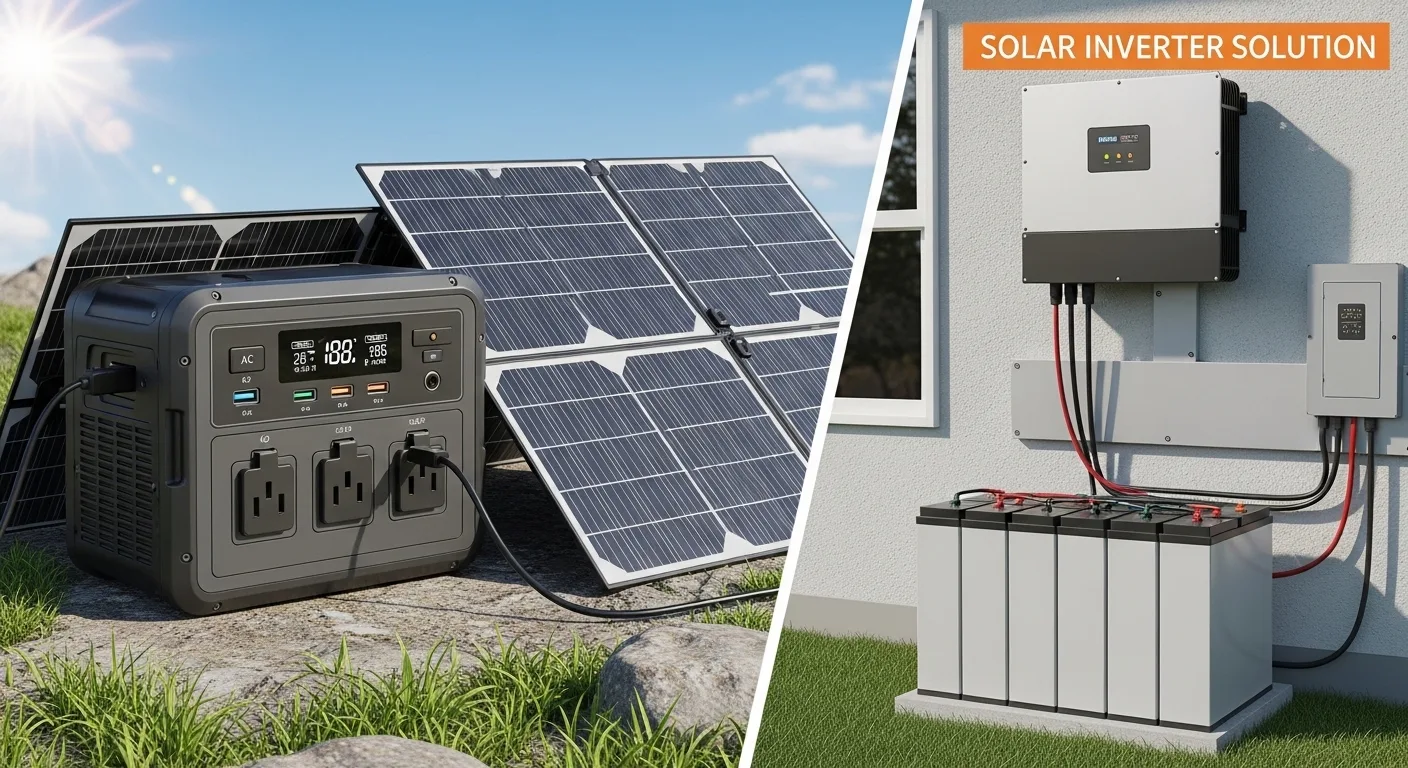
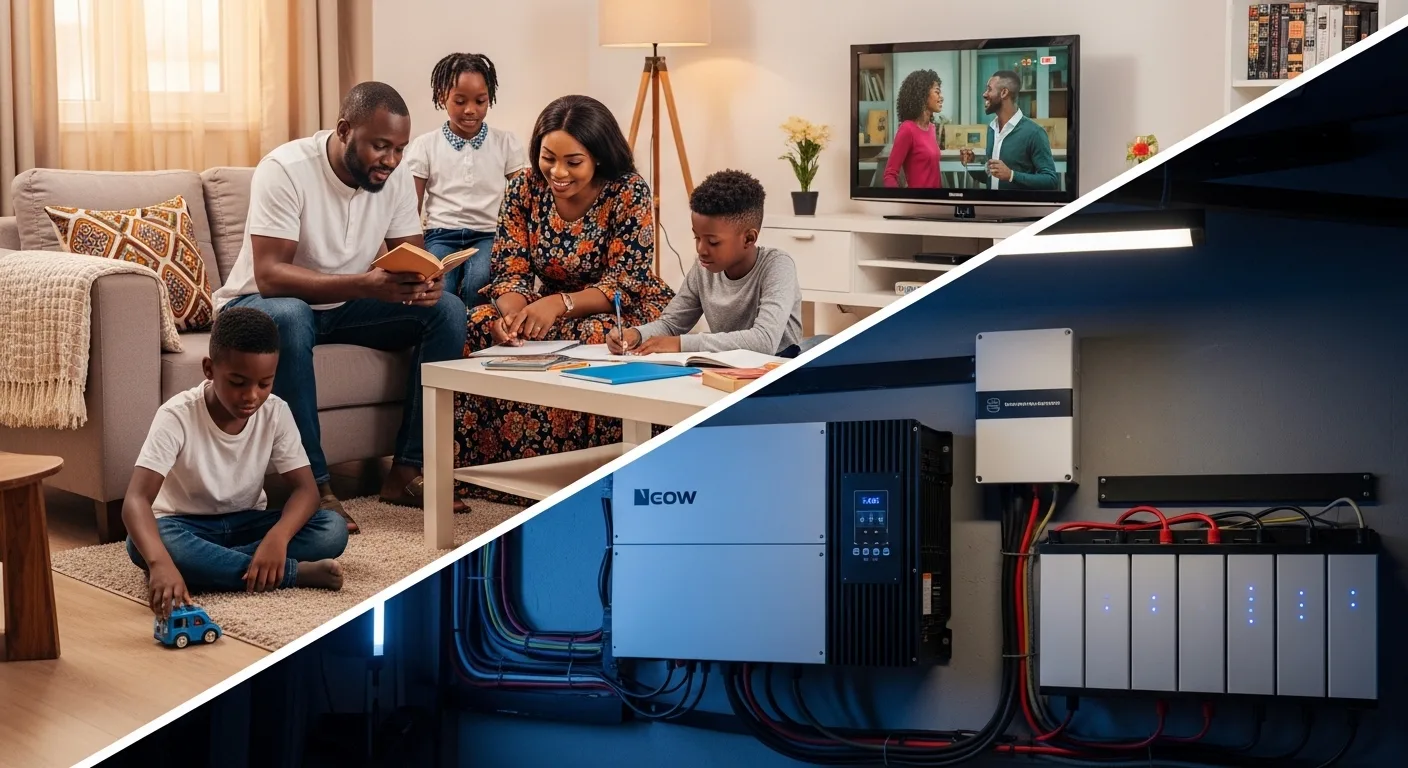
Battery backup solutions
Energy monitoring
Planned redundancy
Renewable energy integration where appropriate
The goal is not simply to generate power.
The goal is to protect operations.
Downtime Is More Expensive Than Most Businesses Realize
Many companies calculate the cost of fuel.
Few calculate the cost of downtime.
Every minute of interruption can create hidden expenses such as:
Lost productivity
Missed sales opportunities
Damaged customer trust
Equipment failure
Data loss
Operational delays
Reduced employee efficiency
The financial impact often extends far beyond the duration of the outage itself.
An hour without power can create consequences that last for days or even weeks.
Yet many businesses continue to evaluate power investments based solely on purchase price instead of business impact.
That approach can be far more expensive in the long run.
Reliable Power Is Becoming A Competitive Advantage
The business landscape is changing.
Customers expect faster service.
Operations are becoming increasingly digital.
Equipment is becoming more sophisticated.
And downtime is becoming less acceptable.
Organizations that invest in reliable power infrastructure gain advantages that go beyond keeping the lights on.
They serve customers more consistently.
They protect valuable equipment.
They maintain productivity.
They reduce operational risks.
They build stronger reputations.
In today’s business environment, reliability is not merely an operational benefit.
It is a competitive advantage.
The Businesses Winning Today Think About Energy Like They Think About Finance
Every successful organization carefully plans its finances.
Budgets are created.
Risks are assessed.
Investments are evaluated.
Contingencies are prepared.
Power should be treated with the same level of importance.
Forward-thinking businesses conduct energy assessments, identify vulnerabilities, and implement solutions that align with their operational goals.
They ask questions such as:
What happens if power is lost for five minutes?
What happens if power is lost for five hours?
Which systems are mission-critical?
How much downtime can we realistically afford?
Are our current backup systems adequate?
These are not technical questions.
They are business questions.
And they deserve attention at the leadership level.
The Real Question Every Business Should Be Asking
Nigeria’s power challenges are unlikely to disappear overnight.
Waiting for the perfect grid is not a business strategy.
The companies that continue to grow despite power challenges understand this.
They focus less on what they cannot control and more on what they can.
The question is no longer:
“Will power outages affect my business?”
A better question is:
“How prepared is my business when they do?”
Because in today’s environment, the businesses that thrive are not necessarily the ones with fewer challenges.
They are the ones with better plans.
About Idyllic Technologies
At Idyllic Technologies, we help businesses build resilient power infrastructures that protect operations, equipment, and productivity. From UPS systems and power protection solutions to energy continuity planning, our goal is simple: helping organizations stay powered, productive, and prepared.
Ready to strengthen your business continuity strategy? Contact Idyllic Technologies today and discover how reliable power can become a competitive advantage for your organization.