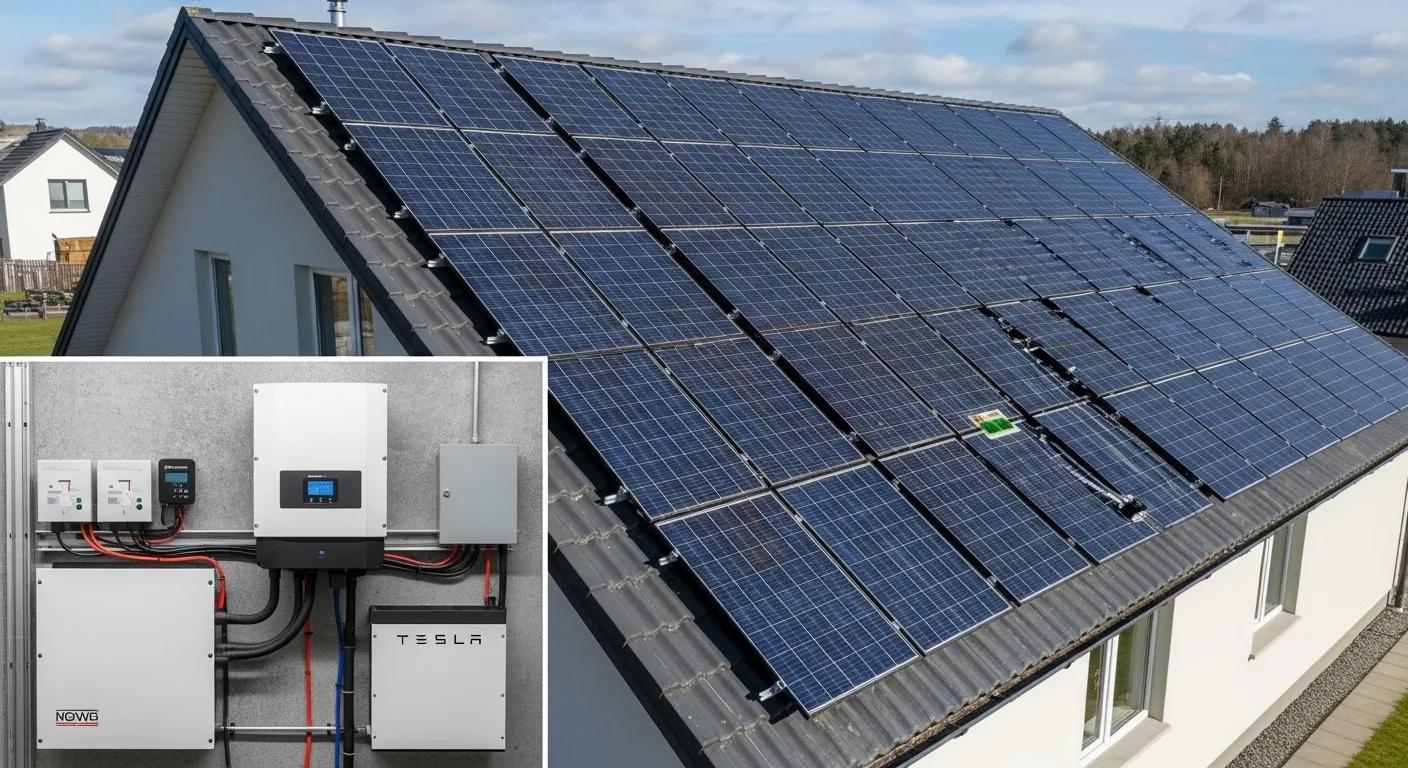
If your inverter isn’t charging as it should, your entire power backup system becomes unreliable.
Across Nigeria, many homes and businesses depend on inverter systems for stable electricity. But one common issue users face is poor or inconsistent charging.
If your inverter battery isn’t charging properly, here are the likely causes—and how to fix them.
1. Insufficient Power Supply to the Inverter
Your inverter needs a stable input source to charge the battery effectively.
This could be:
Poor grid supply
Low generator output
Inadequate solar input
When the incoming power is too weak, charging becomes slow or completely ineffective.
You can also read How to Reduce Electricity Bills with Solar in Nigeria to understand how proper solar setup improves performance.
2. Faulty or Weak Battery
Sometimes, the issue is not the inverter—but the battery.
Signs of a weak battery include:
Charging quickly but draining fast
Not holding charge
Overheating
Old or damaged batteries struggle to charge properly and may need replacement.
Learn more in Why Your Solar Battery Is Not Lasting (And How to Fix It).
3. Loose or Incorrect Connections
Poor wiring is a very common issue.
Loose terminals or incorrect connections can:
Interrupt charging
Reduce efficiency
Cause system faults
This is why professional installation is always recommended.
Avoid such issues by reading 5 Common Solar Installation Mistakes Nigerians Make.
4. Inadequate Solar Panel Output
If your inverter is connected to solar panels, low energy generation can affect charging.
This may be due to:
Too few panels
Poor panel positioning
Weather conditions
See Do Solar Panels Work During Rainy Season in Nigeria to understand how solar output changes.
5. Inverter Configuration Issues
Incorrect inverter settings can prevent proper charging.
This includes:
Wrong battery type settings
Incorrect charging voltage
Poor system calibration
Using advanced systems like Solis Inverters helps ensure better control and efficient battery management.
6. Overloading the System
If your inverter is constantly overloaded, it may prioritize powering appliances over charging the battery.
This leads to:
Slow charging
Reduced battery lifespan
Poor overall performance
You can also check Best Solar System Setup for a 3-Bedroom House in Nigeria to understand proper system sizing.