If you’re investing in an inverter system, one of the most important questions is: how long will it actually last?
In Nigeria, inverters have become a reliable alternative to generators and unstable grid power. But like any electrical system, their lifespan depends on several factors, some within your control.
Average Lifespan of an Inverter
On average, a quality inverter can last:
5 to 10 years (standard use)
10+ years (with proper maintenance and good conditions)
However, this lifespan varies depending on the brand, usage, and installation quality.
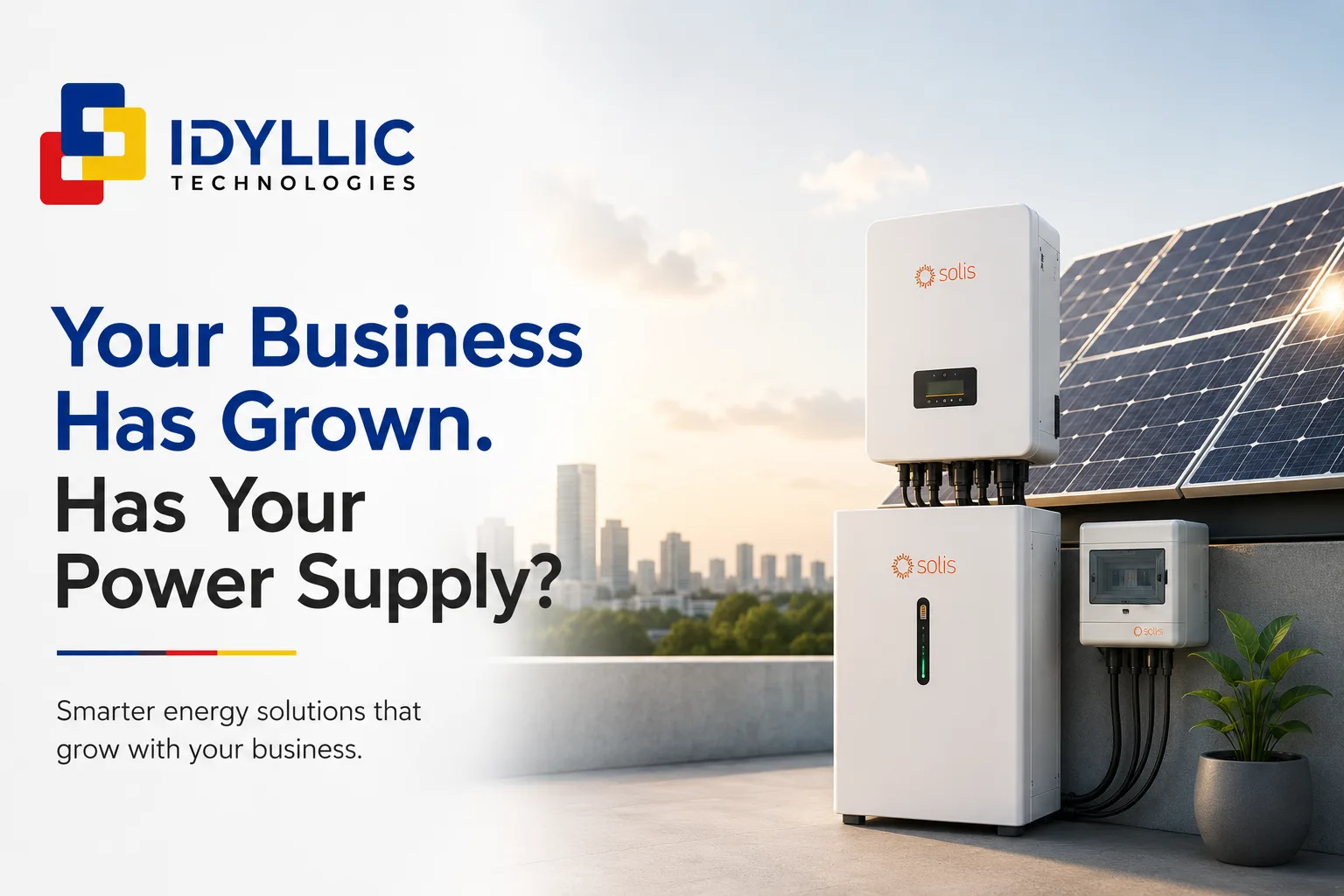
High-performance systems like Solis Inverters are designed for durability and long-term efficiency when properly managed.
The Battery Matters Just as Much
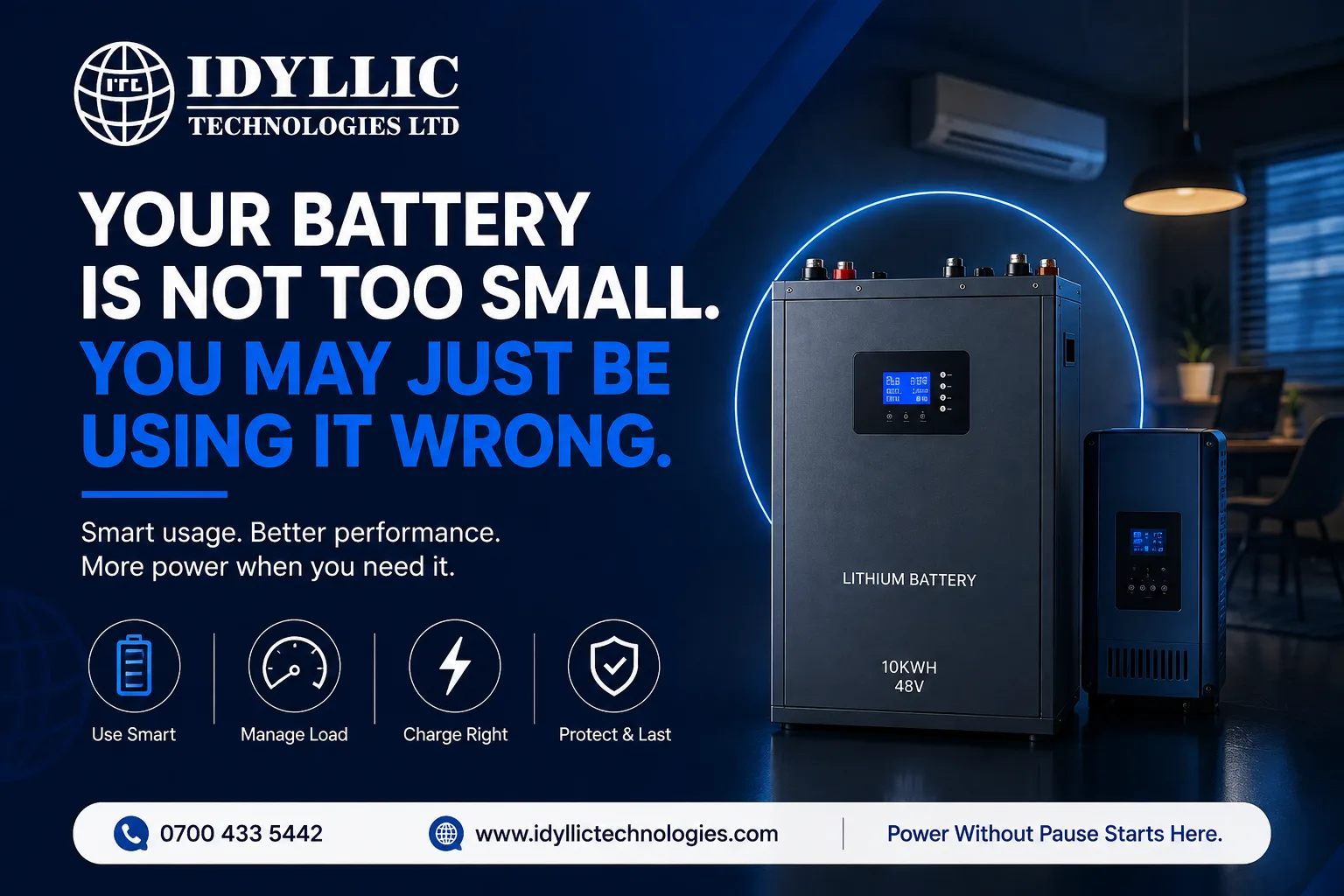
Many people think the inverter fails first, but in most cases, it’s the battery that wears out earlier.
Typical battery lifespan:
AGM batteries → 2–5 years
Lithium batteries → 5–10 years
If your battery is weak, it affects the overall performance of your inverter system.
You can read Why Your Solar Battery Is Not Lasting (And How to Fix It) for more insight.
Factors That Affect Inverter Lifespan
1. Load Usage
Overloading your inverter regularly can shorten its lifespan significantly.
Learn proper sizing in Best Solar System Setup for a 3-Bedroom House in Nigeria.
2. Quality of Installation
Poor wiring and incorrect setup can damage internal components over time.
Avoid errors by checking 5 Common Solar Installation Mistakes Nigerians Make.
3. Power Conditions
Unstable grid power or poor generator output can stress your inverter system.
4. Maintenance
Dust, heat, and lack of servicing can reduce efficiency and lifespan.
5. Charging Efficiency
Improper charging (especially in solar setups) can affect both inverter and battery performance.
See Why Your Inverter Is Not Charging Properly (Causes & Fixes).
Solar Integration and Longevity
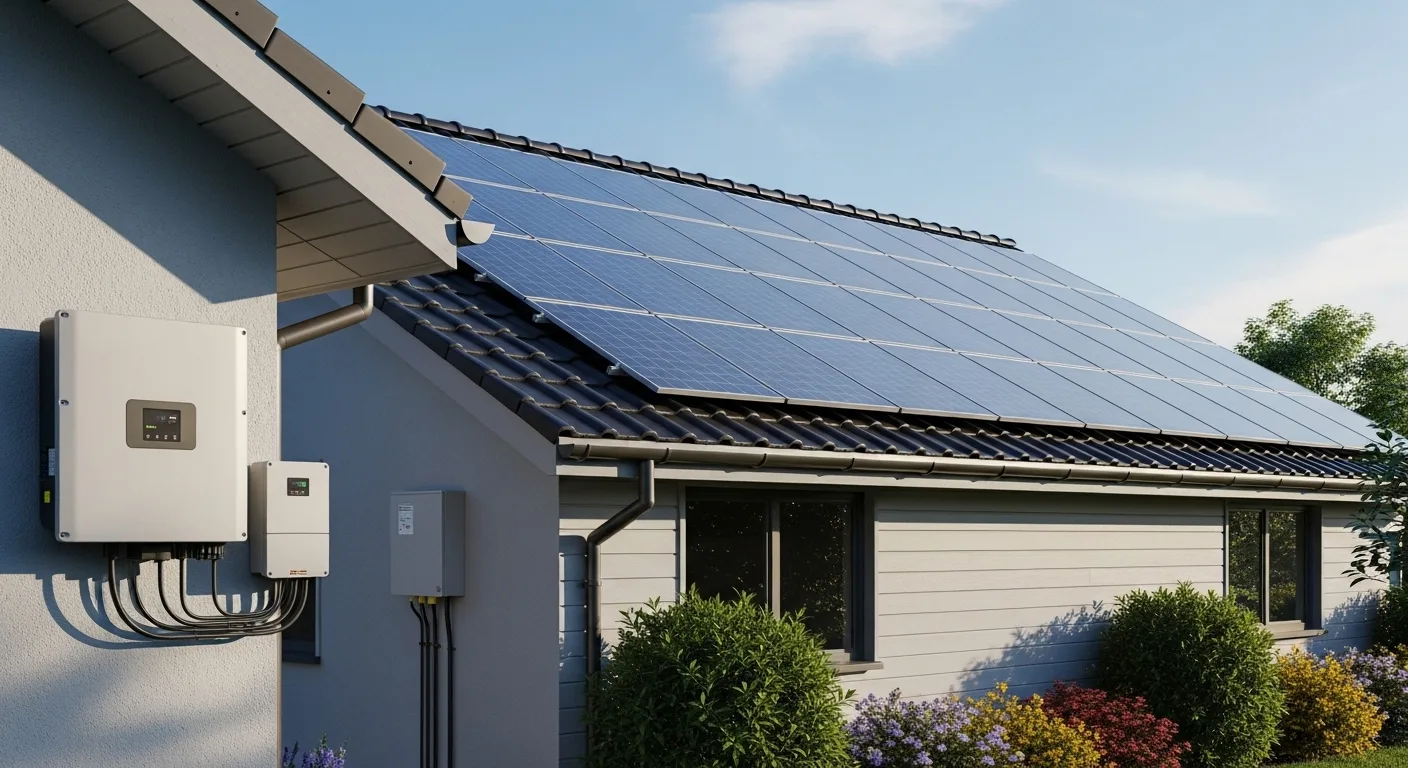
When integrated with solar, your inverter can perform more efficiently—if the system is properly designed.
Adequate solar panels and correct configuration help:
Reduce strain on the inverter
Improve charging cycles
Extend system lifespan
Read How to Reduce Electricity Bills with Solar in Nigeria to understand optimized usage.
Final Thoughts
An inverter is a long-term investment, but its lifespan depends on how well the entire system is designed and maintained.
With the right setup, you can:
Enjoy years of reliable power
Reduce repair costs
Maximize your return on investment
Choosing quality components and working with experienced professionals ensures your inverter lasts as long as it should—if not longer.