For years, renewable energy was described as “the future.”
The future has arrived.
Across industries and continents, renewable energy has evolved from an ambitious sustainability goal into a business standard. Today, organizations are no longer asking if they should adopt renewable energy—they’re asking how quickly they can make the transition.
The conversation has shifted beyond environmental responsibility. It is now about operational resilience, financial efficiency, energy security, and long-term competitiveness.
The Business Landscape Has Changed
Businesses today operate in a fast-paced environment where uninterrupted operations are critical. Manufacturing plants, hotels, hospitals, commercial buildings, financial institutions, educational facilities, and corporate offices all depend on one thing to function effectively: reliable power.
Every unexpected power interruption has consequences.
It can delay operations, reduce employee productivity, disrupt customer experiences, damage sensitive equipment, and increase operating costs. In competitive markets, even short periods of downtime can translate into significant financial losses.
Reliable energy is no longer simply a facility management concern—it has become a strategic business priority.
Why Renewable Energy Has Become the New Standard
The global shift toward renewable energy is being driven by practical business decisions rather than trends.
Organizations are seeking greater control over their energy supply while reducing dependence on unstable power sources and rising fuel costs.
Renewable energy systems offer businesses the opportunity to:
Improve operational reliability.
Reduce long-term energy expenses.
Increase energy independence.
Support sustainability goals.
Protect business continuity during grid disruptions.
Improve the lifespan of critical electrical equipment through stable power solutions.
For many organizations, renewable energy has become an investment in resilience rather than simply an investment in electricity.
The Cost of Waiting
One of the biggest misconceptions is that delaying renewable energy adoption carries no consequences.
In reality, postponing the transition often means continuing to absorb avoidable costs.
Businesses that remain heavily dependent on traditional power sources continue to face:
Escalating fuel and maintenance expenses.
Higher operational risks during power outages.
Increased downtime.
Greater exposure to electricity price fluctuations.
Lost opportunities to improve operational efficiency.
While renewable energy requires thoughtful planning, delaying implementation can ultimately prove more expensive than making the transition.
Renewable Energy Is About Business Continuity
Renewable energy is not about replacing every existing power source overnight.
It is about creating a smarter, more resilient energy strategy.
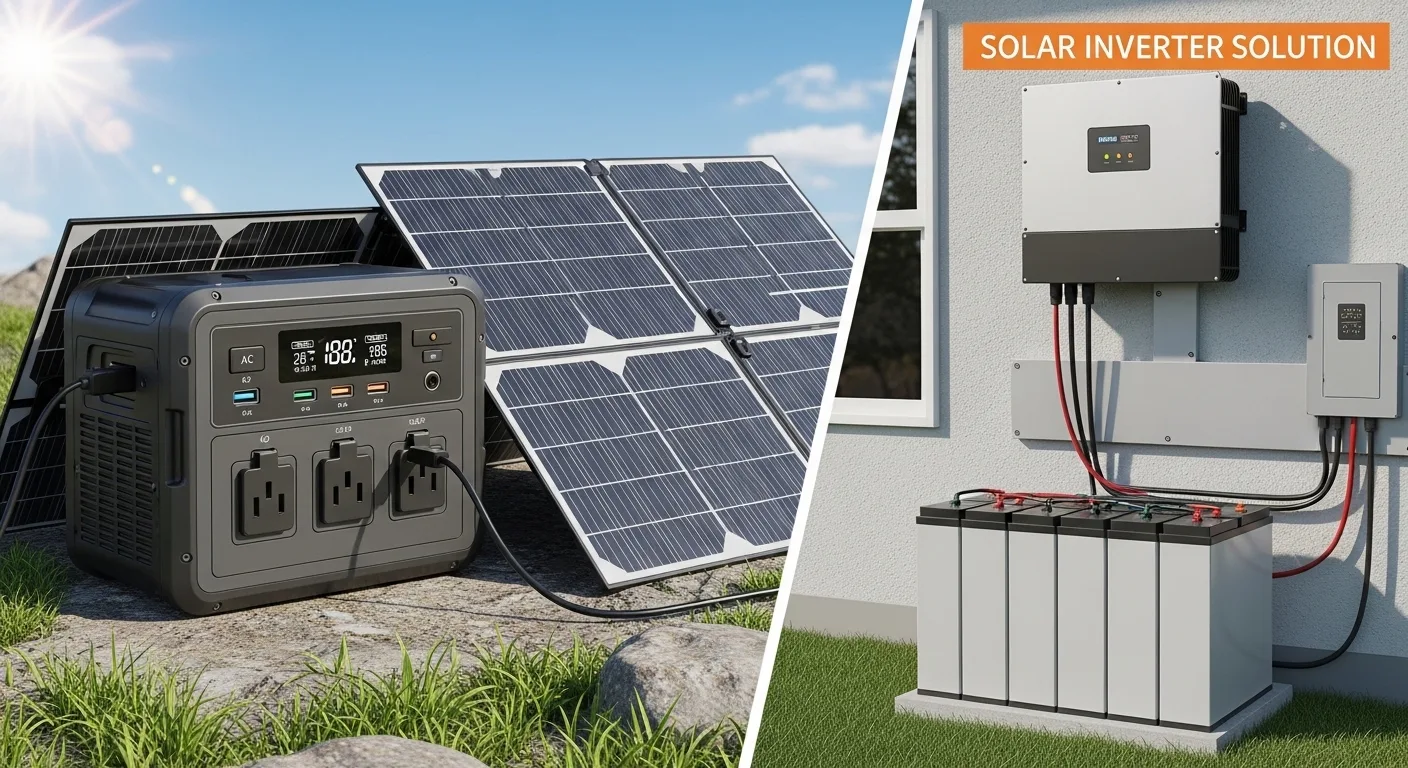
Modern businesses increasingly adopt hybrid energy solutions that integrate solar power, advanced battery storage, intelligent inverters, UPS systems, and conventional backup sources. This approach ensures continuous operations while optimizing energy efficiency and reducing dependence on a single source of power.
The objective is not simply to generate electricity.
The objective is to ensure that business never stops.
Looking Beyond Cost
Too often, renewable energy discussions begin and end with installation costs.
Forward-thinking organizations evaluate renewable energy differently.
They ask:
How much does downtime cost our business?
What is the financial impact of interrupted operations?
How much are we spending on fuel every year?
How much productivity is lost because of unreliable power?
How can we build a more resilient operation for the next decade?
When viewed through this broader business lens, renewable energy becomes a strategic investment rather than an operational expense.
Preparing for the Next Decade
Energy is rapidly becoming a defining factor in business competitiveness.
Organizations that embrace reliable, efficient, and sustainable energy solutions position themselves to operate with greater confidence, serve customers more consistently, and adapt more effectively to changing market conditions.
Renewable energy is no longer reserved for early adopters or environmentally driven organizations.
It has become the benchmark for businesses that prioritize resilience, efficiency, and long-term growth.
Conclusion
Renewable energy is no longer a concept reserved for the future.
It is the standard by which modern businesses are building resilience, reducing operational risk, and securing sustainable growth.
As energy demands continue to rise and operational expectations become even greater, organizations that invest in dependable renewable energy solutions today will be better prepared for the challenges and opportunities of tomorrow.
At Idyllic Technologies, we believe reliable energy should empower business growth not limit it. Through innovative renewable energy and backup power solutions, we help organizations build smarter, more resilient energy systems that keep operations running when it matters most.
Because in today’s business environment, reliable energy isn’t just an advantage, it’s a necessity.