Planning the right solar system setup can save you money, prevent power issues, and give you true energy independence.
With the rising cost of electricity and fuel across Nigeria, many homeowners are turning to solar energy as a reliable alternative. But one of the most common questions is: what is the best solar system setup for a 3-bedroom house?
The answer depends on your energy usage, but with proper planning, you can build a system that powers your home efficiently both day and night.
Step 1: Understand Your Power Load
Before choosing any solar components, the first step is to calculate your total energy consumption.
A typical 3-bedroom house may include:
1–2 refrigerators
Televisions
Fans and lighting
Washing machine
Air conditioners (optional but significant load)
Each of these appliances consumes power differently. Without proper load calculation, you risk installing a system that is either too small (causing overload) or too large (wasting money).
You can also read our guide on Solar Inverter Installation Cost in Nigeria (2026 Guide) to understand how professionals size systems correctly.
Step 2: Choosing the Right Inverter Size
The inverter is the brain of your solar system, and selecting the right size is crucial.
For a standard 3-bedroom home:
3kVA inverter → Basic loads (lights, fans, TV)
5kVA inverter → Moderate usage (adds fridge, small appliances)
8kVA–10kVA inverter → Full household usage including ACs
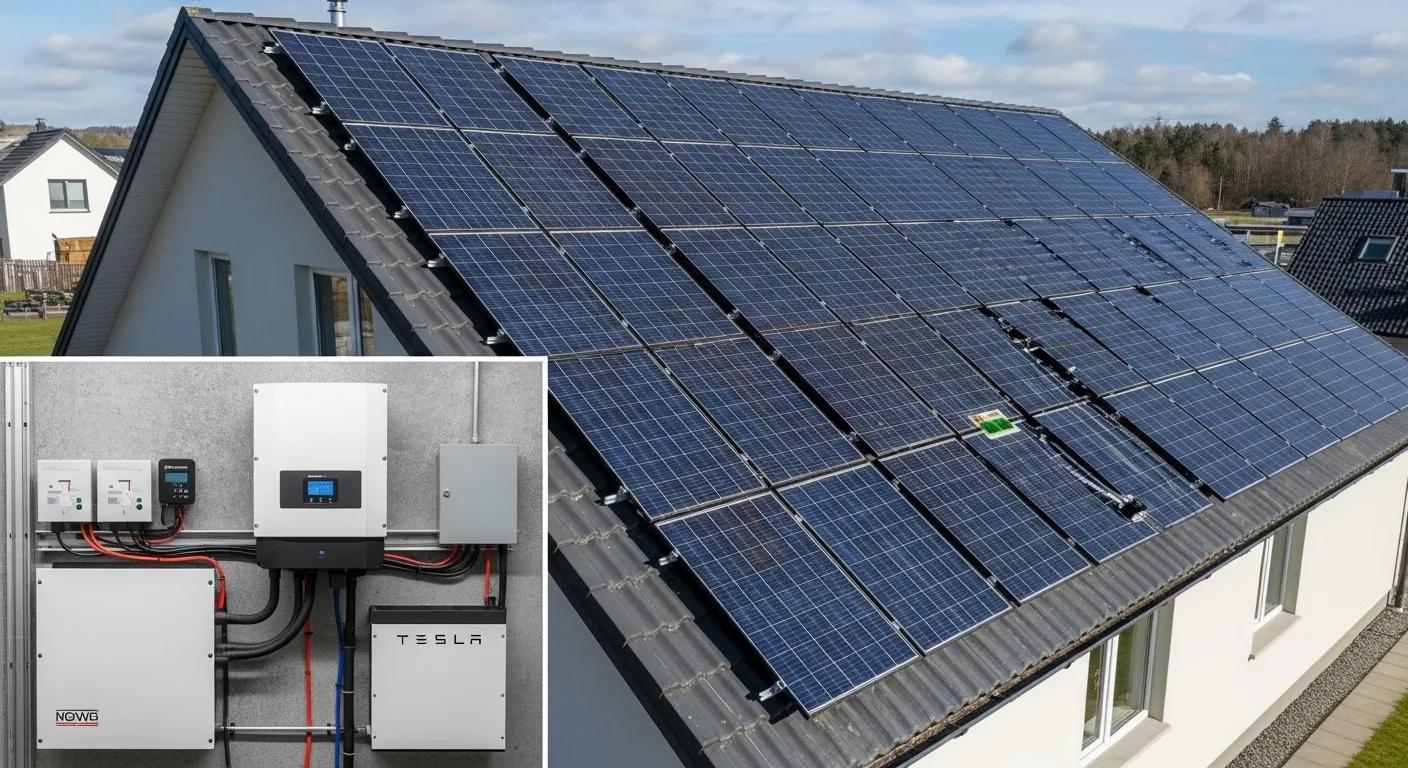
For better performance and flexibility, many installers recommend hybrid systems using Solis Inverters, which allow integration with solar panels, batteries, and even the grid.
Learn more in our post on Why Solis Inverters Are Among the Best Solar Inverters in Nigeria.
Step 3: Battery Capacity Matters
Your battery determines how long your system can power your home when there is no sunlight.
For a 3-bedroom house:
Minimum: 2–4 batteries (for basic backup)
Moderate: 4–6 batteries
Heavy usage: 6–8 batteries or lithium equivalent
Choosing the right battery type is just as important. AGM batteries (like Fullriver) are reliable and cost-effective, while lithium batteries offer longer lifespan and deeper discharge capacity.
To understand your options, check What Type of Battery Is Best for Solar Systems in Nigeria.
Step 4: Number of Solar Panels Required
The number of panels depends on your energy demand and inverter size.
Typical estimate:
3kVA system → 6–8 panels
5kVA system → 8–12 panels
10kVA system → 16+ panels
Proper panel placement is also important to maximize sunlight exposure.
Avoid common mistakes by reading 5 Common Solar Installation Mistakes Nigerians Make.
Step 5: Plan for Night and Rainy Season
Solar panels don’t produce maximum power during cloudy weather or at night, which is why your battery and inverter setup must be properly designed.
You can learn more in Do Solar Panels Work During Rainy Season in Nigeria to understand how your system performs year-round.
Final Thoughts
The best solar system for a 3-bedroom house is not about buying the biggest equipment—it’s about proper design, correct sizing, and quality components.
A well-installed system will:
Provide reliable power
Reduce generator usage
Save long-term costs
Increase comfort and efficiency
Working with experienced professionals ensures that your system is tailored to your needs and performs optimally.